

Introduction
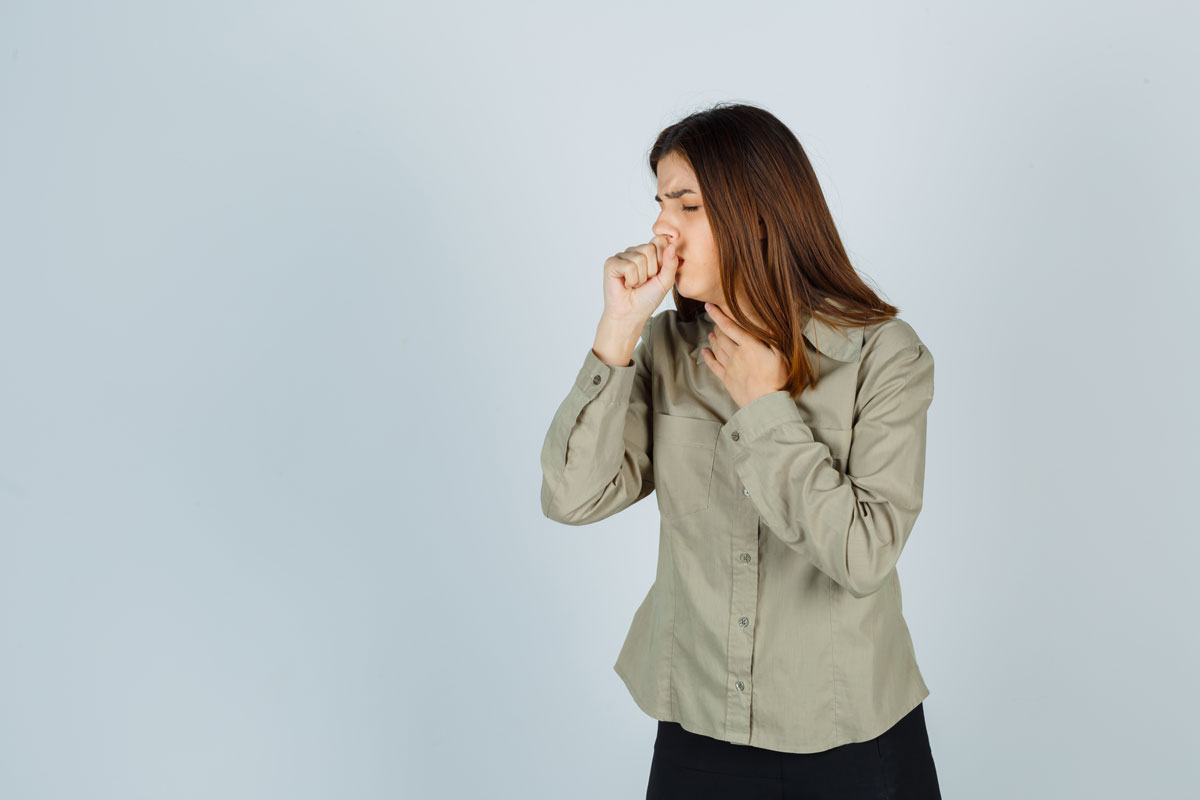
An allergic cough is a persistent, dry cough triggered by exposure to allergens such as dust, pollen, pet dander, mold, smoke, or strong fragrances. Unlike coughs caused by infection, allergic coughs are usually non-productive (no mucus) and may continue for weeks or even months if the allergen exposure continues.
Both children and adults can suffer from allergic cough, especially those who have asthma, allergic rhinitis, or sinus problems.
What Is an Allergic Cough?

An allergic cough occurs when allergens irritate the throat and airways. This irritation causes inflammation in the bronchial tubes, leading to repeated coughing. The cough is usually:
-
Dry and irritating
-
Recurrent or chronic
-
Worse at night or early morning
Common Causes and Triggers
The most common allergens that trigger allergic cough include:
-
Dust mites and household dust
-
Pollen from trees, flowers, and grass
-
Pet hair and dander
-
Mold and damp environments
-
Smoke and air pollution
-
Strong perfumes and deodorants
-
Chemical fumes
-
Cold air or sudden weather changes
Symptoms of Allergic Cough
Allergic cough is different from cough due to infection. Common symptoms include:
-
Dry, persistent cough (often worse at night)
-
Tickling or itching sensation in the throat
-
Sneezing and runny or blocked nose
-
Watery or itchy eyes
-
Post-nasal drip (mucus flowing from nose to throat)
-
Wheezing or shortness of breath (especially in asthma)
Usually, there is:
-
No fever
-
No body aches
-
No thick yellow or green sputum
This helps differentiate allergic cough from infectious cough.
Diagnosis: How Doctors Identify Allergic Cough
Diagnosis is based on medical history, symptoms, and physical examination. Tests may include:
-
Allergy testing (skin prick or blood test)
-
Spirometry or lung function test (if asthma is suspected)
-
Nasal examination for sinusitis or allergic rhinitis
-
Chest X-ray in long standing cases to rule out other causes
Treatment Options
Treatment depends on the severity of symptoms and the triggering allergen.
Medications
Doctors may prescribe:
-
Antihistamines – to reduce allergic reactions
-
Nasal sprays – to control nasal allergy and post nasal drip
-
Leukotriene inhibitors – helpful in allergic asthma
-
Inhalers – if wheezing or breathing difficulty is present
-
Cough suppressants – rarely needed, as treating the allergy gives better relief
Avoid self medication, especially repeated use of steroids. Always consult a doctor, particularly for children, elderly patients, and people with breathing problems.
Home Care and Lifestyle Tips
Simple preventive measures can greatly reduce symptoms:
-
Keep the house dust free with regular wet mopping and vacuuming
-
Wash bedding weekly in hot water
-
Keep pets out of the bedroom
-
Avoid carpets, stuffed toys, and heavy curtains
-
Use an air purifier if pollution levels are high
-
Stay away from smoke, incense sticks, perfumes, and strong fragrances
-
Drink plenty of fluids to keep the throat moist
-
Gargle with warm salt water to soothe throat irritation
-
Steam inhalation may help relieve airway irritation
Allergic Cough in Children

Children are more sensitive to allergens than adults. Persistent coughing, throat clearing, or noisy breathing should never be ignored. If a child’s cough interferes with sleep, play, or feeding, consult a doctor promptly for proper evaluation and treatment.
When to See a Doctor
Consult a doctor if:
-
The cough lasts more than 2–3 weeks
-
There is breathlessness or wheezing
-
A child becomes inactive or refuses food due to cough
-
There is blood in the sputum
-
Symptoms worsen despite precautions and treatment
Conclusion
Although allergic cough is not usually dangerous, it can disturb sleep, affect concentration, and reduce quality of life. Early identification of triggers and proper treatment can prevent complications such as asthma or chronic bronchitis. With timely care and healthy lifestyle habits, most people experience excellent relief.
Role of Homeopathy in Allergic Cough
Homeopathy aims not only to relieve the cough but also to correct the underlying immune imbalance responsible for repeated allergic reactions.
Benefits of Homeopathy:
-
Treats the root cause of allergy
-
Strengthens the immune system
-
Reduces the frequency and intensity of cough episodes
-
Safe for all age groups
-
Suitable for long term treatment when required
Homeopathic medicines are selected based on individual symptoms, triggers, constitution, and overall health.
About the Authors
Dr. Geeta Rani Arora, BHMS, MD
Dr. Geeta Rani Arora is a senior homeopathic practitioner with over 20 years of clinical experience. She has presented papers at national and international conferences, including LIGA and LMHI forums, and serves as an Honorary Editor of The Asian Journal of Homeopathy.
She is an honorary member of the Japan Homeopathic Medical Association and has received several professional awards. Dr. Arora also has more than a decade of experience in regulatory affairs and homeopathic pharmaceutical manufacturing.
She is a faculty member at the London College of Homeopathy, UK, and a Member of the Faculty of Homeopathy, London. She practices in Kalkaji, New Delhi, and offers both online and in clinic consultations six days a week with a dedicated medical team.
Dr. Arti Goyal, BHMS, MD
Dr. Arti Goyal is a compassionate and dedicated homeopathic physician with over 10 years of clinical experience. She is a former Research Associate and Senior Research Fellow (Homeopathy) at the Central Council for Research in Homeopathy (CCRH).
With more than five years of formal research experience, she combines clinical expertise with evidence-informed homeopathic care. Dr. Goyal specializes in constitutional prescribing and personalized treatment plans.
She offers consultations both online and in-person at her clinic in Kalkaji and has co-authored several research papers and publications. She is experienced in managing both common and complex chronic conditions through holistic, patient-centered care.
DISCLAIMER : Information provided above is for educational purposes only. You may consult a medical professional or healthcare provider for any medical advice, diagnoses, or treatment.